Troubleshooting Leaks in High Pressure Industrial Rubber Hoses
A high pressure rubber hose leak usually points to abrasion, burst fittings, or material fatigue. Engineers must match the symptom to the cause before choosing a patch, sleeve, or full replacement to avoid recurrence and system downtime.
- Isolate the leak source by checking the body, the fittings, and the seals in that order.
- Minor abrasion or a single fitting leak may allow a targeted repair, but internal damage requires replacement.
- Use the correct repair material and follow the manufacturer's torque and clamping specifications.
- Track pressure cycles and service intervals to catch fatigue before it causes a failure.
- Keep spare hoses and gaskets on site to reduce downtime during maintenance.
A leak in a high pressure rubber hose is a system alarm, not just a maintenance task. If the hose body is weeping, the problem is likely mechanical. If the leak appears only at the connection points, the issue is usually a loose fitting or a degraded seal. The diagnosis determines whether a technician can patch the hose or must replace the entire assembly. Getting this wrong leads to repeated failures, unplanned line shutdowns, and potential safety hazards.
How to Isolate the Leak Source
The first step is a visual and tactile inspection of the hose under low pressure. Turn off the supply and release the pressure in the system. Wipe the hose clean with a lint-free cloth. Run your hand slowly along the length of the hose body, checking for soft spots, cuts, or bulges. Then inspect the ends. Check the metal fittings for cracks, corrosion, or cross-threading.
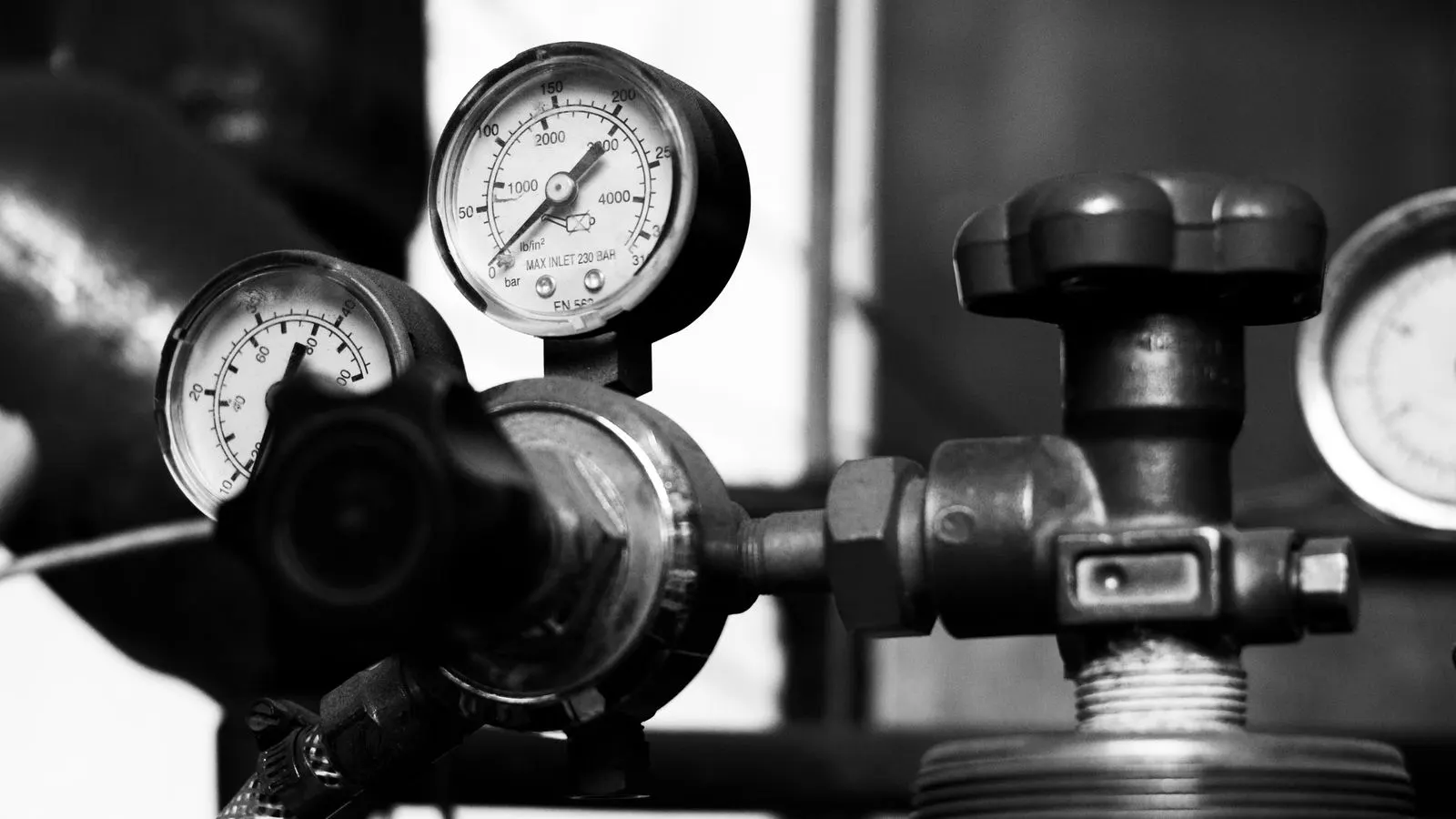
A leak at the hose body often indicates abrasion from contact with a moving part, a sharp edge, or a hose clamp. A leak at the fitting usually points to a loose connection, a damaged gasket, or a hose that has pulled away from the ferrule. If the leak appears only under pressure, use a pressure test with a calibrated gauge. Look for the exact spot where the pressure drops.
Do not rely on sound alone. A slight hiss can be difficult to trace in a noisy plant environment. A damp paper towel or a UV dye leak detection kit helps mark the wet spot. Once the location is marked, tag the hose and note the pressure and temperature conditions at the time of the leak. This data is critical for the repair vs replace decision.
Common Causes of Hose Leaks
Rubber hoses are made to handle specific chemical, thermal, and mechanical loads. When those limits are exceeded, the material degrades faster than expected. Understanding the likely cause of the leak prevents a repair that only treats the symptom.
Abrasions from contact with other equipment are a frequent cause. If a hose rubs against a pipe flange, a motor mount, or a conveyor frame, the outer jacket wears down. Under high pressure, the hose expands slightly and the worn area can split. The repair is usually a protective sleeve or a full replacement.
Chemical compatibility is another major factor. If the hose material is not rated for the fluid it carries, the rubber swells or hardens. Swelling stretches the hose and weakens the bond between the inner liner and the outer jacket. Hardening makes the hose brittle, leading to cracks. A chemical exposure mismatch will not be fixed by a patch. The hose must be replaced with a material suited to the fluid.
Thermal cycling also causes failure. Repeated heating and cooling changes the rubber’s molecular structure. Over time, the elastomer loses its elasticity. Cracks form on the surface and propagate inward. If the hose operates in a high heat environment, the material selection must account for the maximum temperature and the frequency of cycles.
Troubleshooting Symptoms and Solutions
The symptom you observe gives a strong clue about the root cause. Use the table below to match the leak behavior to the likely cause and the appropriate fix.
| Symptom | Likely cause | What to do |
|---|---|---|
| Steady drip at the fitting | Loose fitting or worn gasket | Re-torque the fitting and replace the gasket or seal |
| Leak only under pressure | Hose body fatigue or internal delamination | Inspect for bulges; replace the hose if no visible cut |
| Weeping along the length | Abrasion from contact with other parts | Install a protective sleeve or re-route the hose |
| Crack at the bend point | Excessive bending or kinking | Replace the hose and use a proper radius support |
| Swollen or sticky hose surface | Chemical incompatibility | Replace with a chemically resistant material |
| Intermittent leak after vibration | Loose clamp or worn ferrule | Re-secure the clamp and inspect the ferrule for wear |
If the symptom does not fit one of these categories, consider the installation history. Was the hose installed with the wrong fitting? Was it kinked during installation? Was it exposed to heat or chemicals not in the original specification? Review the installation records.
Repair vs Replace: The Decision Framework
The decision to repair or replace depends on the location, the cause, and the service life of the hose. A patch on a hose that is still structurally sound can be a valid, cost-effective solution. A patch on a hose that is failing internally is a temporary fix that creates a false sense of security.
A repair is generally acceptable if the leak is localized, the hose material is healthy, and the cause can be permanently corrected. For example, if a hose is leaking at a fitting due to a worn gasket, replacing the gasket is a repair. If the hose body has a small abrasion that can be covered with a protective sleeve, that is a repair.
A replacement is required if the hose body shows signs of internal damage. Bulges, soft spots, or a weeping leak along the length indicate that the internal layers are separating or the rubber is failing. A patch will not hold against high pressure. The hose must be replaced. Also, if the hose has reached the end of its expected service life, replace it proactively.
When considering repair vs replace, also factor in the downtime cost. A full replacement requires draining the system, disconnecting the hose, and reconnecting it. A patch can sometimes be done in place. If the system is critical and downtime is expensive, a temporary repair might be justified, but a permanent replacement must be scheduled immediately.
Material and Chemical Compatibility
The hose material is the first line of defense against leaks. If the material is wrong, no amount of maintenance will fix the leak. Check the chemical compatibility chart for the specific fluid. Some rubbers are resistant to oils, while others are only safe for water. Some materials are resistant to acids, while others are not.
For high pressure applications, the material must also handle the pressure without deforming. A softer rubber may be more flexible but may not hold its shape under high load. A harder rubber may hold its shape but may crack under bending. The balance between flexibility and pressure resistance is critical.
The gasket material at the fitting also matters. If the gasket is made of a material that is not compatible with the fluid, it will degrade. A degraded gasket will not seal properly. Choose a gasket material that matches the hose material and the fluid. For high heat, select a gasket material with a high temperature rating. For high pressure, select a gasket material with a high compression set resistance.
Prevention and Maintenance Best Practices
Prevention is cheaper than repair and far cheaper than replacement. A simple maintenance routine can extend the life of a high pressure rubber hose by a significant amount.
- Inspect hoses quarterly. Look for abrasions, bulges, and cracks. Check the fittings for tightness.
- Route hoses to avoid contact with moving parts, sharp edges, and heat sources. Use hose supports and protective sleeves.
- Follow the manufacturer’s torque specifications when installing fittings. Overtightening can damage the ferrule and cause a leak.
- Keep a record of hose installation dates and service history. Replace hoses based on service life, not just when they leak.
- Use the correct chemical compatibility chart. Do not guess. Verify the material against the fluid.
- Store spare hoses in a cool, dry place. UV light and heat degrade rubber even when it is not in use.
A small leak today can become a major failure tomorrow. The cost of a replacement hose is usually lower than the cost of a system failure. The goal is not to fix every leak, but to prevent leaks from happening in the first place.
When to Call a Professional
Some leaks are simple. Others are not. If the leak is at a fitting and the gasket is worn, a technician can replace the gasket and re-torque the fitting. If the hose body is damaged, a professional may need to install a sleeve or replace the hose.
If you are unsure about the cause of the leak, call a professional. A wrong diagnosis can lead to a wrong repair. A wrong repair can lead to a catastrophic failure. A professional can assess the hose condition, the chemical exposure, and the pressure rating. They can recommend the correct repair or replacement.
Do not attempt to repair a high pressure hose if you are not trained. High pressure systems can be dangerous. A sudden burst can cause injury and equipment damage. Always follow the safety procedures. Isolate the system, release the pressure, and verify the system is safe before working on it.
A high pressure rubber hose is a critical component. It carries the fluid that keeps your system running. A leak is a sign that something is wrong. Diagnose the cause carefully. Choose the right fix. Prevent future leaks with proper maintenance. The result is a safer, more reliable system.
Frequently asked questions
Can I patch a high pressure rubber hose?
Yes, if the leak is localized and the hose material is healthy. Use a repair kit designed for high pressure. Do not patch a hose with internal damage or a bulge.
What is the most common cause of hose leaks?
Abrasion from contact with other parts is a frequent cause. A second common cause is a worn gasket at the fitting.
How do I know if a hose needs replacement?
Replace the hose if it has a bulge, a soft spot, or a leak along the length. Also replace it if it has reached the end of its expected service life.
What material should I use for a high pressure hose?
Choose a material that is compatible with the fluid and rated for the pressure. Check the chemical compatibility chart. For high heat, select a material with a high temperature rating.
How often should I inspect my hoses?
Inspect hoses quarterly. Look for abrasions, bulges, and cracks. Check the fittings for tightness. Keep a record of the inspection.