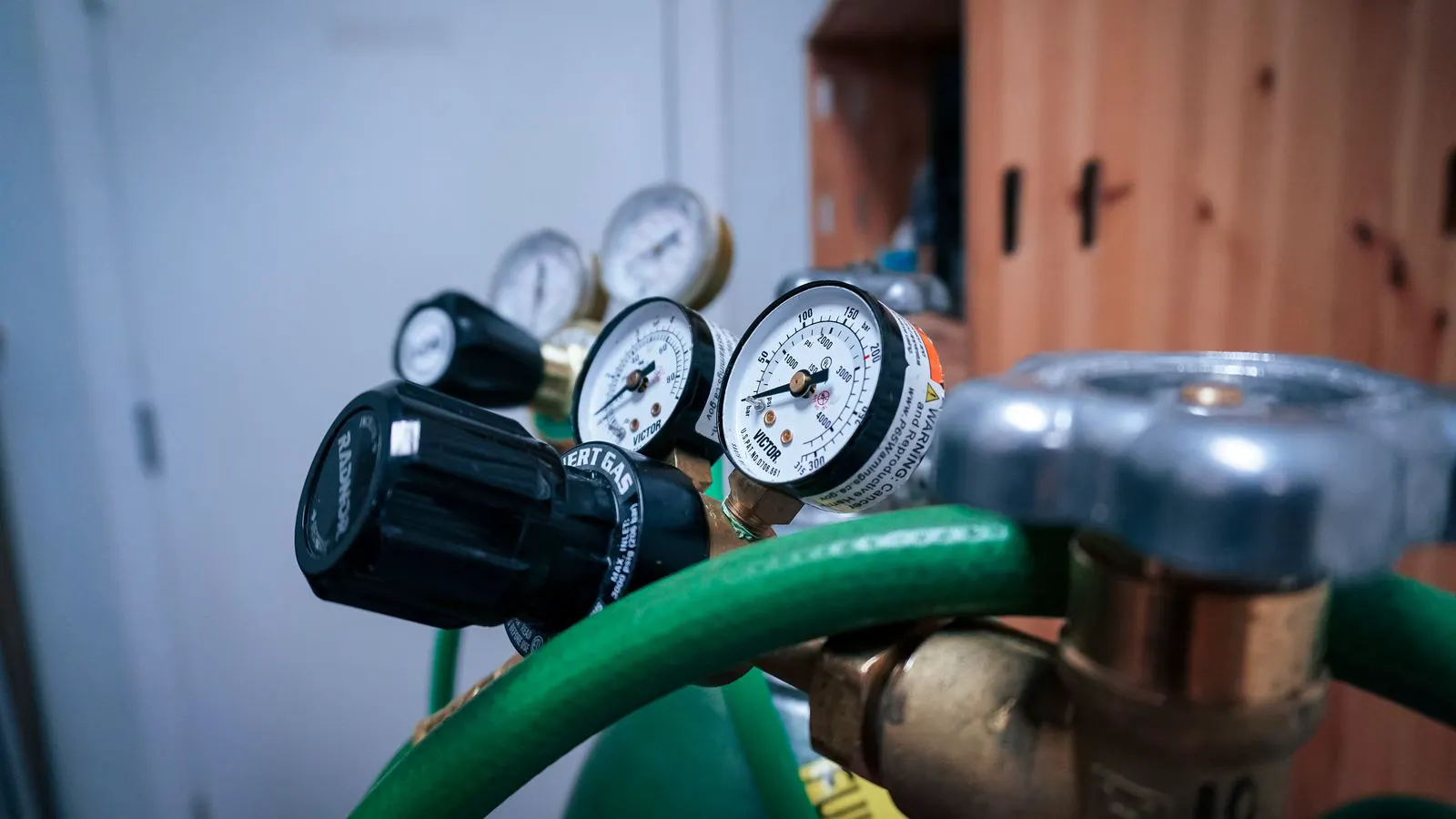
Hoses & Gaskets
High Pressure Rubber Hose Sizing Guide for Industrial Systems
Correct hose sizing balances diameter, wall thickness, and pressure rating. This guide explains the factors affecting flow and burst strength, providing a framework to
Industrial rubber selection, sourcing, and quality checks explained.
Start with the stage of the sourcing process you are in.
Compare natural and synthetic rubber types, their properties, and best uses for industrial applications.
Explore molded rubber part manufacturing, material options, design considerations, and quality control.
Review industrial hose and gasket applications, materials, sizing, and performance in high pressure or heat.
Understand rubber compound formulations, key properties, and how they affect performance and durability.
Learn about rubber testing methods, performance standards, and compliance requirements for industrial use.
Get practical insights on rubber product cost factors, pricing drivers, and typical lead times for industrial orders.
Use practical criteria to evaluate and select reliable suppliers for industrial rubber products and components.
Correct hose sizing balances diameter, wall thickness, and pressure rating. This guide explains the factors affecting flow and burst strength, providing a framework to

Procurement teams must define material durometer, process tolerances, and surface finishes clearly. This guide outlines how to structure technical requirements, verify
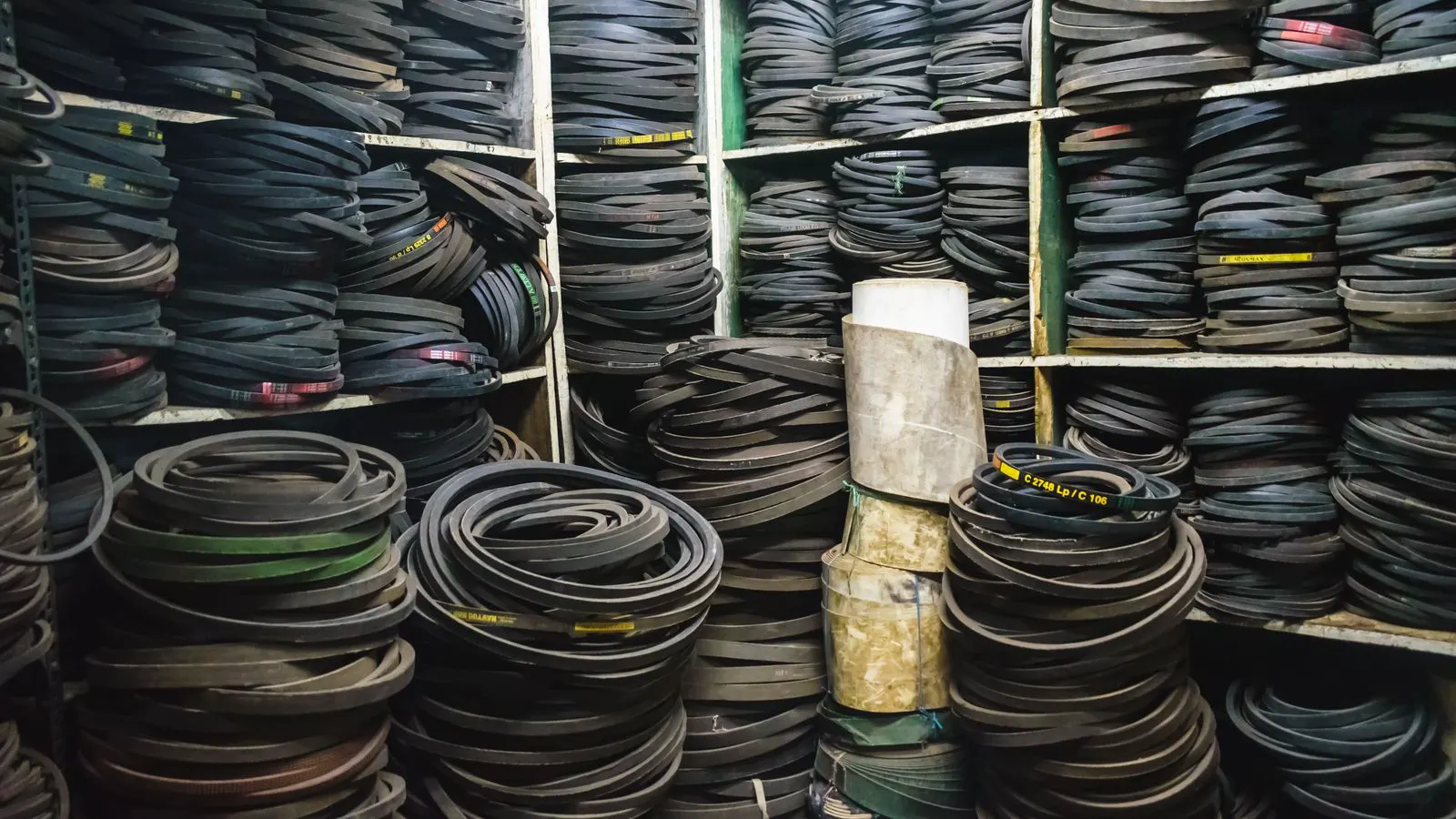
NBR suits oils and fuels, while EPDM handles water, acids, and heat. Choose based on the specific chemical, temperature, and mechanical demands of your application to

NBR resists oils and fuels, while SBR handles abrasion and cold better. Choose NBR for chemical exposure and SBR for mechanical wear. The right choice depends on the
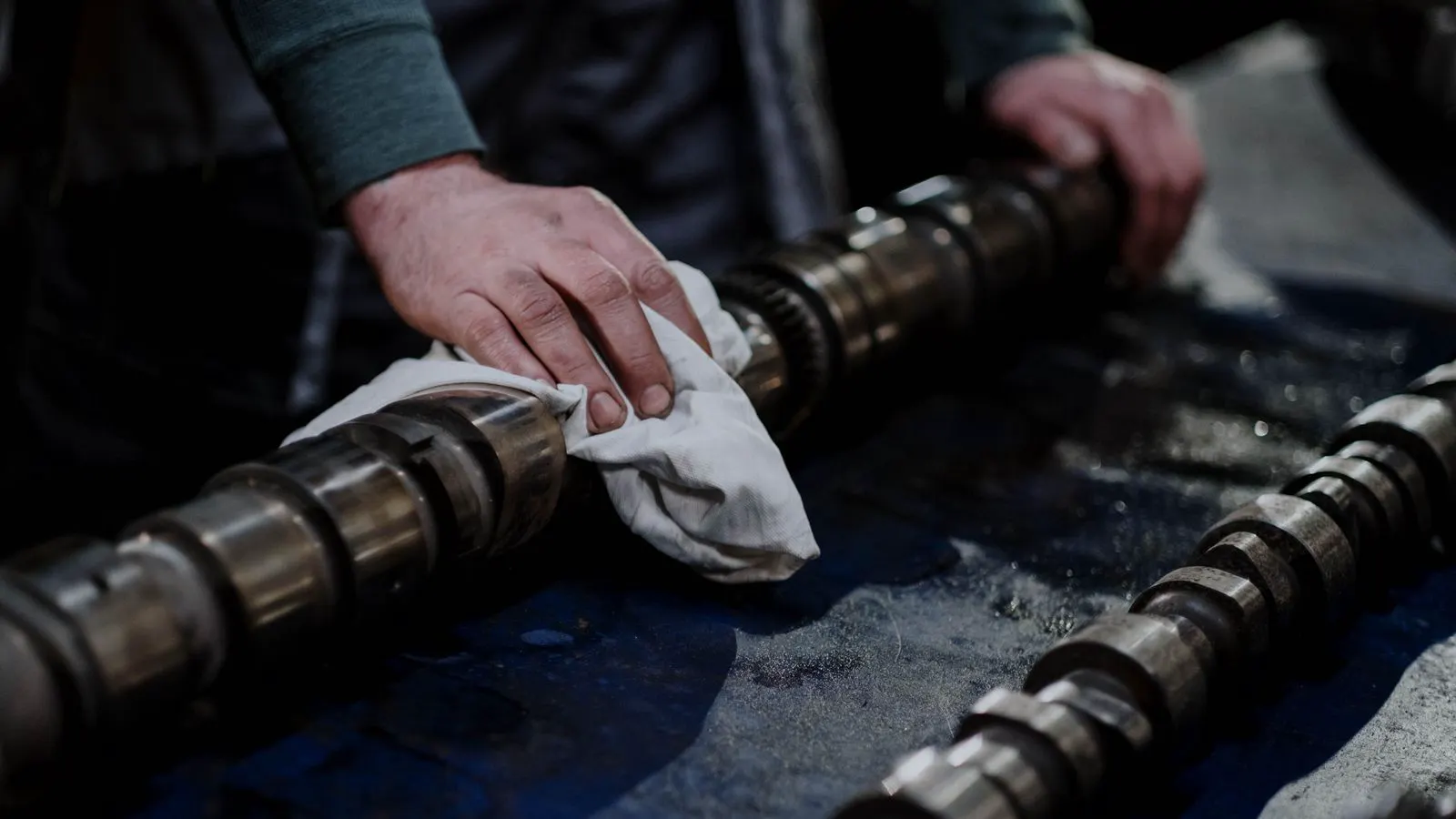
Negotiating rubber component pricing requires shifting from price-only discussions to total cost analysis. Review material specifications, production volumes, and lead

This checklist covers 12 critical audit areas for industrial rubber suppliers, from raw material sourcing to quality systems. It helps procurement managers verify
Industrial rubber selection is rarely simple. A buyer must weigh material grade, service conditions, part geometry, test results, supplier capacity, and final cost before a purchase order goes out. This site breaks those decisions down into plain language and practical checklists.
Rubber Products Hub covers natural and synthetic raw materials, molded components, hoses, gaskets, compound properties, testing methods, supplier evaluation, and cost drivers. The content is written for engineers, procurement staff, and operations managers who need to make defensible sourcing and quality decisions.
Compare the service conditions, chemical exposure, temperature range, and mechanical requirements. Natural rubber often offers good elasticity and tear strength, while synthetic rubbers may provide better ozone, oil, or heat resistance. Match the material to the failure mode the part must avoid.
Request material certificates, dimensional inspection reports, hardness test results, and functional tests such as pressure or compression set. For critical applications, ask for batch traceability and first-article inspection records.
Material grade, part volume, mold complexity, production run length, and post-processing all affect price. Small batches and complex geometries increase cost, while high-volume runs spread tooling and setup expenses.
Check production capacity, quality management practices, test capabilities, and past performance. Request references, sample parts, and documentation. Verify that the supplier can meet your specifications and delivery schedule.
Lead times vary by product type, material availability, and production queue. Molded parts with existing tooling are usually faster than custom tooling. Custom compounds and long-lead raw materials can extend delivery significantly.
Review the hose construction, pressure rating, temperature range, and chemical compatibility. Request test reports for burst strength, abrasion, and aging. Match the hose to the fluid, pressure, and environmental conditions of the application.