How to Test Rubber Gaskets for Compression Set
Compression set testing measures how much a rubber gasket shrinks under load over time. This process reveals if the material will lose sealing pressure. Results help buyers select materials that maintain a tight seal in demanding environments.
- Compression set is the permanent loss of thickness in a rubber gasket after load and time.
- Testing reveals if a material will fail to seal, which affects sourcing and warranty claims.
- Test conditions must match the actual service environment to be meaningful.
- Results guide selection between elastomers for long-term sealing reliability.
- Requesting test reports from suppliers verifies material claims before bulk purchase.
What is Compression Set in Gaskets
Compression set refers to the permanent reduction in thickness of a rubber material after it has been compressed for a set period. When a gasket seals a flange or joint, the rubber sits under constant pressure. Over months or years, the material may not return to its original height. Instead, it stays smaller.
This shrinkage reduces the contact force between the gasket and the mating surfaces. If the force drops below the threshold needed to hold a fluid or gas, the seal fails. For buyers, this is a direct risk. A gasket that looks perfect at installation may leak years later if the material has high compression set.
The term distinguishes two behaviors. Elastic recovery is the ability of the rubber to snap back to its starting shape. Compression set is the part that does not come back. The goal of any sealing application is high elastic recovery and low compression set.
How Compression Set Testing Works
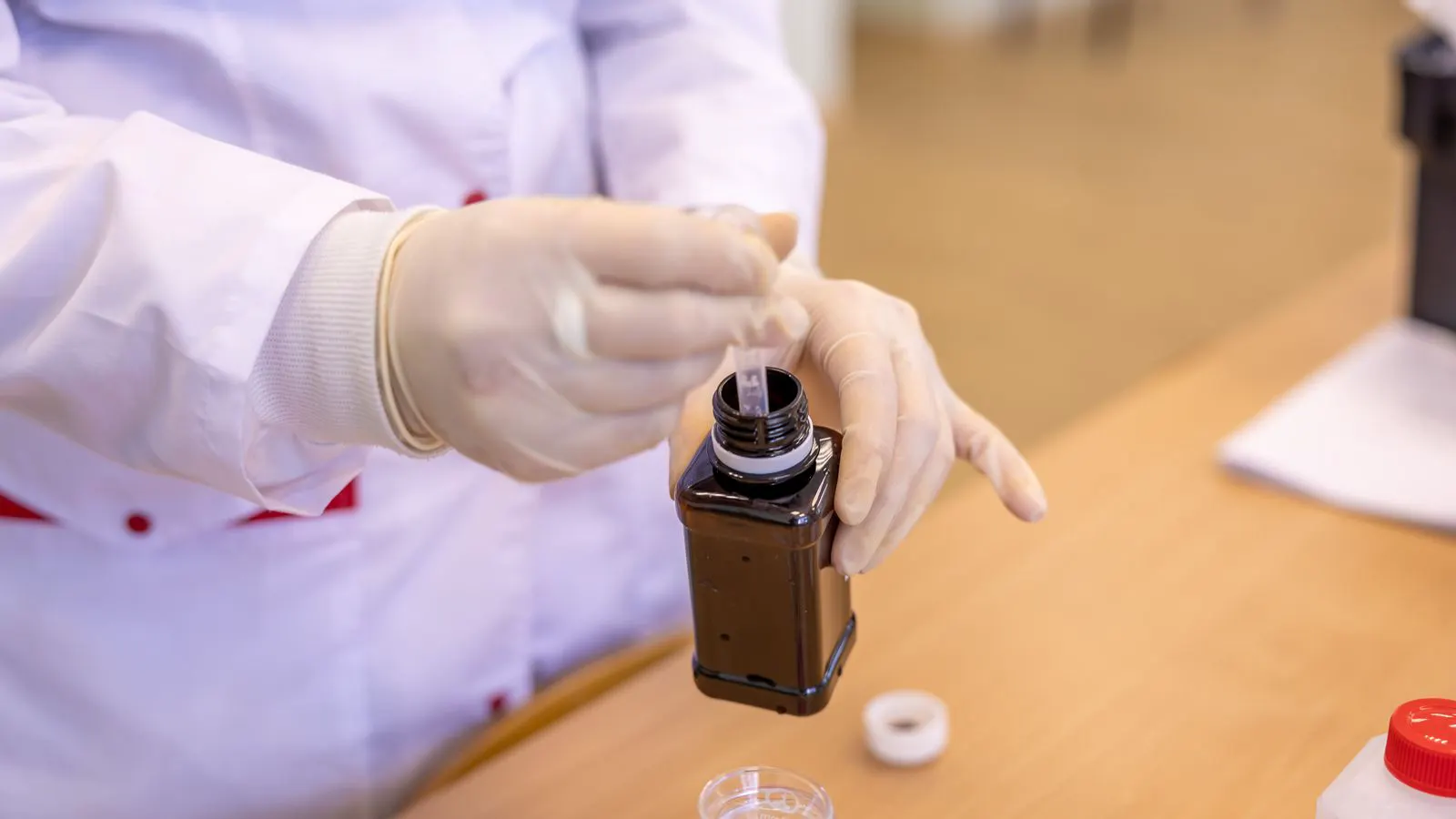
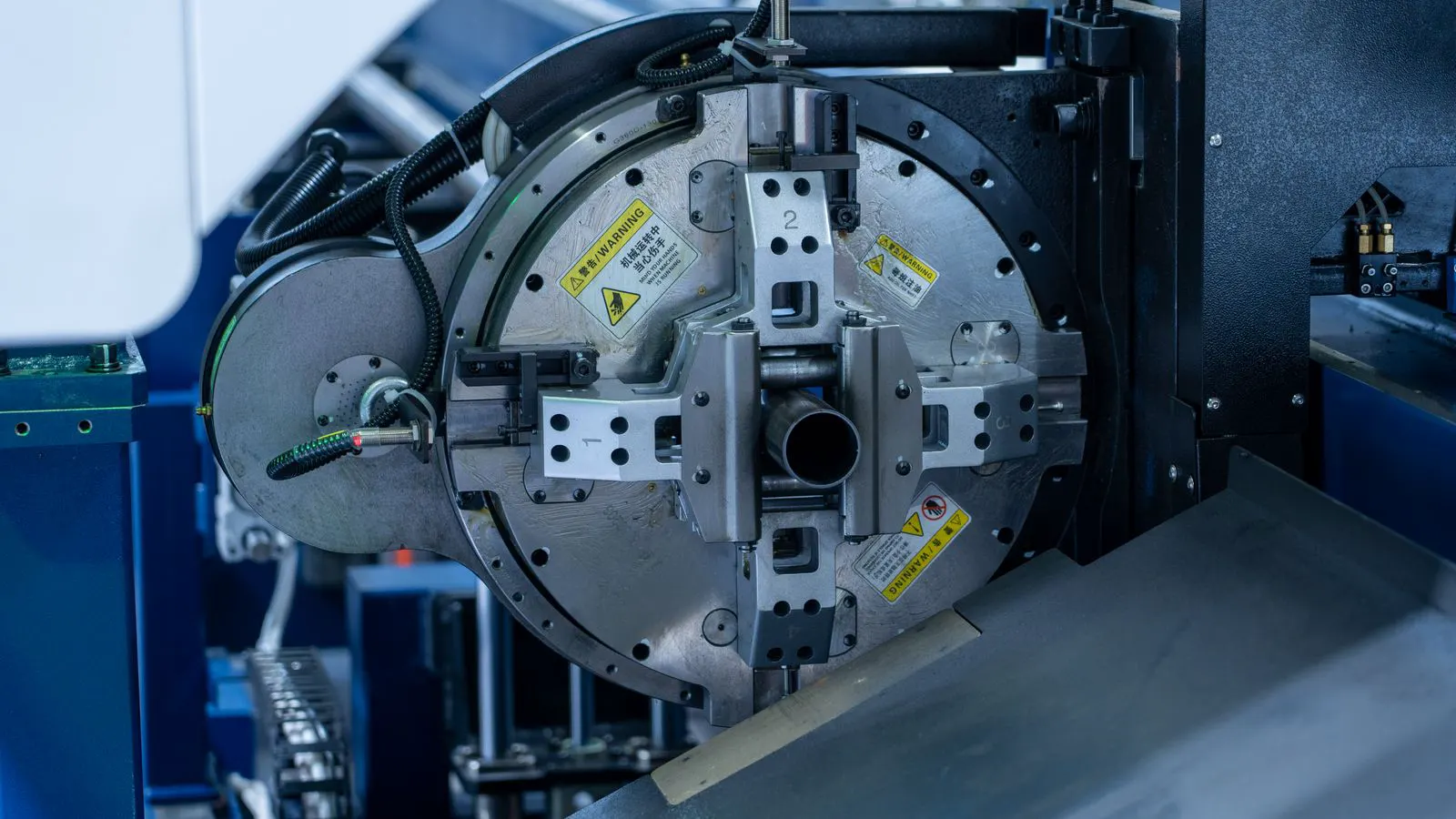
Standard tests apply a controlled load to a rubber sample. The sample is usually a cylinder or a ring cut from the specific material lot. The test machine presses the sample to a set thickness. It holds this compression for a fixed duration. After the load is removed, the machine measures the remaining thickness.
The result is a percentage. It tells you how much of the initial thickness was lost permanently. A lower percentage is better. The test usually follows established international standards to ensure results are comparable across suppliers and labs.
This method mimics the worst-case scenario of a static seal. It holds the gasket under load without movement, heat cycling, or fluid contact. It isolates one variable: the material’s physical response to sustained pressure. It does not measure chemical resistance or temperature tolerance directly. Those require separate tests.
Why Testing Matters for Sourcing Decisions
Buyers often select rubber gaskets based on hardness and flexibility. Those properties help the gasket install and seal initially. They do not guarantee long-term performance. Compression set testing bridges the gap between a good installation and a lasting seal.
If a supplier claims a material can handle high temperatures or heavy loads, compression set data provides evidence. A material with high initial flexibility might have poor long-term stability. A stiffer material might hold its shape better over time. The data tells you which material will still be effective after a year of continuous service.
This information changes negotiation. If you need a gasket to last five years, a supplier with low compression set data for their material is more valuable than one with cheap material that shrinks quickly. It also helps with warranty. If a gasket fails early, a test report showing high compression set in the original sample lot supports a claim.
Key Variables in the Test
The test result depends on several factors. You must control all of them to get a meaningful number.
| Variable | Effect on Compression Set |
|---|---|
| Temperature | Higher temperatures usually increase molecular movement, leading to greater permanent deformation. |
| Load Pressure | Heavier loads compress the rubber more deeply, potentially causing greater permanent set. |
| Duration | Longer exposure allows more time for molecular relaxation, increasing the final set value. |
| Material Lot | Different production batches can have varying filler or catalyst levels, affecting consistency. |
Temperature is often the most critical variable. A gasket installed near a heat source operates at a much higher temperature than room temperature. Testing at room temperature may give a false sense of security. If the service environment runs hot, the test must be run at that temperature to predict real-world failure.
Load pressure also matters. A gasket in a low-pressure joint behaves differently than one in a high-pressure system. The test load should reflect the maximum pressure the gasket will see. If you test at a light pressure but install in a heavy load environment, the material may set more than the test predicted.
Duration is a trade-off. Testing for twenty-four hours is quick and common. Testing for seventy-two hours or longer gives a more stable picture of long-term behavior. For critical applications, the test duration should be long enough to predict the expected service life.
Practical Example: Flange Gasket Selection
Consider a scenario where an engineer needs to select a gasket for a chemical pump flange. The fluid is non-aggressive, and the operating temperature is moderate. The flange sees a steady pressure. The joint will not be opened for maintenance for several years.
The engineer requests samples of three common elastomers. One is a standard general-purpose compound. One is a heat-resistant variant. One is a high-stability formulation. All three are cut into test rings.
The test is run at the operating temperature for a standard duration. The first general-purpose compound shows a high percentage of set. The heat-resistant variant shows a moderate set. The high-stability formulation shows the lowest set.
The engineer selects the high-stability formulation. Even though it may cost more, the test data confirms it will maintain sealing force for the required lifespan. The other two materials would likely shrink too much, leading to leaks before the next scheduled maintenance.
This is a plain example. The specific numbers vary by material and test conditions. The logic remains constant. Test the material under conditions that match the service. Use the results to pick the compound that holds its shape.
How to Request Test Reports from Suppliers
When buying bulk gaskets, do not rely on verbal assurances. Ask for the test report. The report should list the material lot number, the test standard used, the temperature, the pressure, and the duration. It should also state the final compression set percentage.
Compare the report to your requirements. If your application demands a set value below a certain threshold, ensure the supplier’s data meets it. If the supplier cannot provide data for a specific lot, ask why. A reputable supplier can run the test or has it done by a third-party lab.
If the supplier offers a cheaper material without test data, ask for a sample. You can send it to a testing lab yourself. This adds cost and time, but it removes the risk of receiving a material that does not perform as described.
Reviewing these reports is part of the quality control process. It is a documentation step that protects the buyer. It creates a paper trail. If a gasket fails, you have evidence of what was promised and what was delivered.
Troubleshooting High Compression Set
If a gasket fails and shows high compression set, the first step is to identify the cause. Did the material set because of the wrong compound? Did it set because the service temperature was higher than expected?
Check the installation. Was the gasket compressed too much during installation? Over-compression can force the rubber beyond its elastic limit, causing immediate permanent set. The gasket should be compressed within the manufacturer’s recommended range, typically between twenty percent and thirty percent of its free thickness.
Check the environment. Was there exposure to oils, solvents, or ozone that swelled the rubber? Swelling can change the material’s behavior and accelerate set. A material that passes a dry, room-temperature test may fail in a chemical-rich environment.
Review the test data from the original lot. If the report showed low set, but the field performance was poor, the issue may be installation or environment. If the report showed high set, the supplier may have used the wrong material or a degraded lot.
In either case, the test data serves as the baseline. It separates material failure from application failure. This distinction guides the corrective action. You either change the material, change the installation torque, or adjust the operating conditions.
Common Mistakes in Evaluation
Buyers make errors that lead to poor gasket selection. The most common mistake is testing at room temperature for a hot application. This underestimates the set.
Another mistake is ignoring the load. Testing at a light load does not predict performance under heavy flange bolts. The material may behave differently under stress.
A third error is looking at a single test run. One data point is not enough. Variation exists. Ask for multiple samples from the same lot. Consistency across samples is a sign of good material control.
Finally, do not confuse compression set with tear strength or elongation. Those are different properties. A material can have high tear strength and still fail due to compression set. Each property serves a different purpose in the design.
Conclusion
Rubber compression set testing provides a clear measure of long-term sealing reliability. It tells you if a gasket will lose its shape and leak. By understanding the test, the variables involved, and how to use the results, buyers can make informed sourcing decisions.
The process is straightforward. Request samples. Run tests under realistic conditions. Review the data. Select the material that meets the requirements. Document the results. This approach reduces the risk of field failures and ensures the gasket performs as intended throughout its service life.
Frequently asked questions
What is a typical acceptable compression set value for a gasket?
There is no single universal standard for all applications. Acceptable values depend on the specific service requirements, material, and temperature. Generally, lower values are preferred for long-term sealing.
Can I test a finished gasket or only the raw material?
Testing the raw material is standard for evaluating the compound's potential. Testing a finished gasket is possible but less common for material selection, as it includes the effects of the molding process.
How does temperature affect the test result?
Higher temperatures increase the rate of molecular movement in the rubber, leading to greater permanent deformation. Testing at the expected operating temperature gives a more accurate prediction of field performance.
What is the difference between compression set and rebound?
Rebound is the elastic recovery of the material. Compression set is the permanent loss of thickness. High rebound and low compression set are the desired properties for a durable seal.
Do I need to test every lot of gaskets I buy?
It is best practice to test representative samples from each major lot. This verifies that the material from that specific production run meets the specifications. Testing every single gasket is not practical, but lot sampling is standard.